
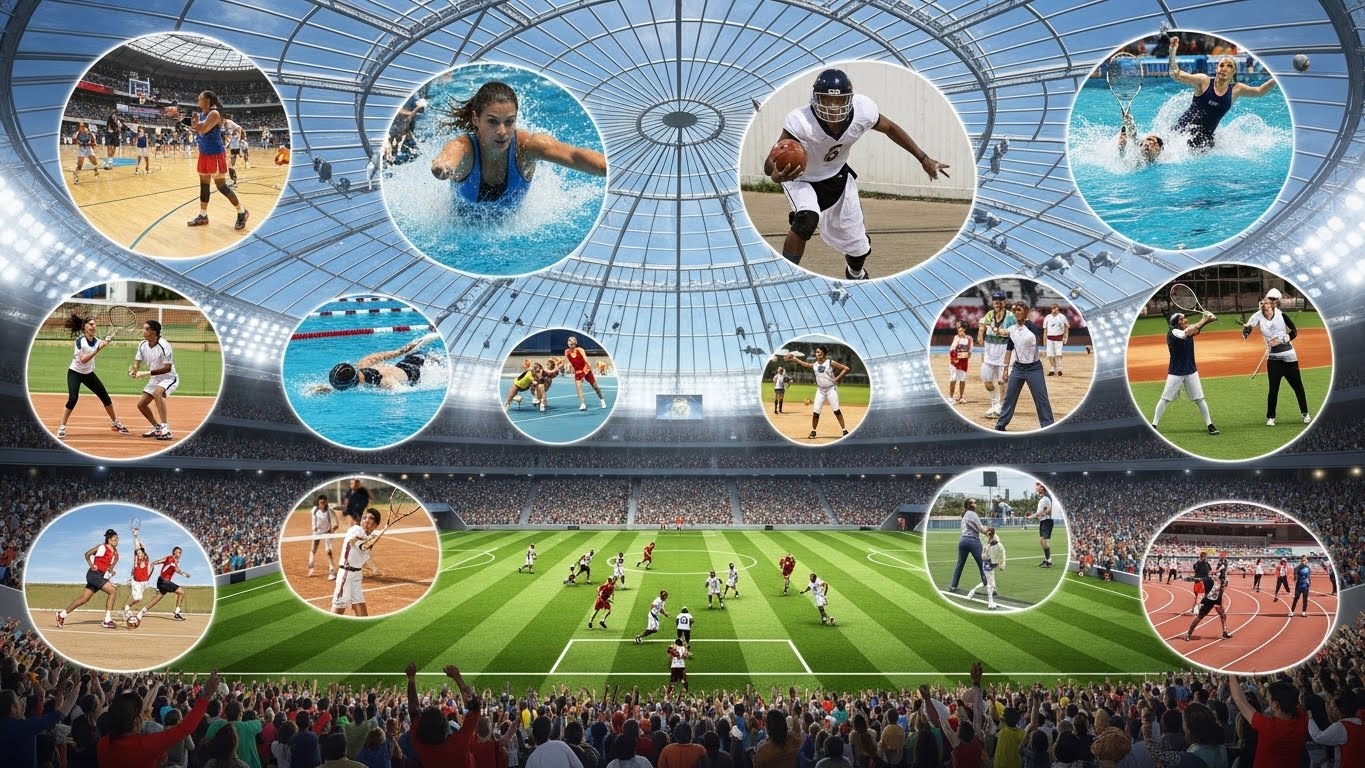
Introduction: More Than Just a Game
Sports have always been an integral part of human culture. From ancient Olympic competitions to modern professional leagues, they reflect society’s values, ambitions, and passions. Yet, sports are no longer just about physical skill or competition. Today, they represent a dynamic intersection of science, technology, psychology, and culture. The way athletes train, fans engage, and games are analyzed has transformed dramatically. This blog explores how sports have evolved, the factors shaping their future, and why they remain a mirror of human innovation and determination.
The Science Behind Athletic Performance
Modern sports rely heavily on science to enhance performance. Athletes no longer depend solely on talent or instinct; biomechanics, nutrition, and physiology play an equally important role.
Biomechanics studies body movement to optimize efficiency and reduce injury. From sprinting to swimming, small adjustments in posture or stride can create measurable differences in performance. Sports scientists use motion-capture technology to track every movement, helping athletes refine their techniques.
Nutrition is another critical factor. Tailored diets, hydration strategies, and recovery protocols are designed to fuel athletes at the highest level. Supplements and specialized diets help maintain stamina, accelerate muscle recovery, and prevent fatigue.
Even psychology plays a vital role. Mental toughness, focus, and stress management have become central to training programs. Athletes now practice visualization techniques, mindfulness, and cognitive conditioning to maintain peak performance under pressure.
Technology Transforming Training and Strategy
The digital age has brought unprecedented changes to sports training and strategy. Wearable devices track heart rate, oxygen levels, speed, and movement, providing real-time feedback to athletes and coaches. Smart equipment measures impact forces, jump height, and even swing angles in sports like tennis and golf.
Video analysis software allows coaches to dissect gameplay in detail, revealing strengths and weaknesses. In team sports, AI and data analytics predict opponents’ strategies, simulate scenarios, and optimize tactics. This combination of data and technology is transforming coaching from intuition-based guidance into a scientific, evidence-driven process.
Even injury prevention has seen major benefits. Sensors, predictive algorithms, and monitoring systems help identify potential risks before they become injuries. Athletes can adjust training intensity or techniques to protect joints, muscles, and ligaments, extending careers and improving overall safety.
The Rise of eSports: A New Arena
Sports are no longer limited to physical activity. eSports has emerged as a global phenomenon, drawing millions of players and fans into competitive gaming. Titles like League of Legends, Dota 2, and FIFA have professional leagues, international tournaments, and sponsorship deals rivaling traditional sports.
The appeal of eSports lies in strategy, reflexes, teamwork, and mental endurance. Professional players train for hours daily, often using the same performance-enhancing principles found in traditional sports, including diet, fitness, and mental conditioning.
eSports also highlights how technology changes the definition of “sport.” While it does not require physical exertion in the traditional sense, it demands coordination, strategy, and mental stamina, challenging conventional ideas about athleticism and competition.
Sports Analytics: The Game Within the Game
Data analytics has revolutionized the way games are played and understood. In baseball, the introduction of metrics like on-base plus slugging (OPS) and Wins Above Replacement (WAR) has transformed team management and strategy. Basketball relies on player efficiency ratings and shot charts, while soccer teams use GPS tracking to monitor player movement and stamina.
Analytics provide insights that go beyond what the human eye can see. They reveal patterns, optimize strategies, and even predict outcomes. Teams now have specialized analysts who study every movement on the field, feeding information back to coaches and athletes. Fans, too, engage with data, analyzing team performance and debating statistics with unprecedented depth.
The integration of analytics has blurred the line between athletic talent and strategic intelligence, creating a new era where smart gameplay is just as critical as physical ability.
Globalization of Sports
Sports have become a global language, connecting cultures, nations, and communities. International tournaments like the FIFA World Cup, the Olympics, and the Rugby World Cup bring people together in celebration of human skill and competition.
Globalization has also impacted talent development. Athletes frequently train abroad, learn from international coaches, and compete in foreign leagues to improve their skills. This cross-cultural exchange enhances the quality of play and fosters mutual understanding among nations.
Media and streaming platforms further expand the global reach of sports. Fans from any corner of the world can watch live events, analyze matches, and interact with other supporters in real time. This connectivity has transformed sports into not just a national or regional activity but a worldwide phenomenon.
Women in Sports: Breaking Barriers
The evolution of sports is closely tied to the rise of women’s participation. Female athletes have fought for equal opportunities, recognition, and pay, and today they are breaking records and setting new standards across disciplines.
Women’s sports are gaining visibility and commercial value. Professional leagues, international tournaments, and sponsorships for female athletes are growing steadily. Women now dominate in areas previously restricted or underrepresented, from soccer to boxing, gymnastics to cricket.
The rise of women in sports reflects broader societal changes, highlighting the importance of equality, representation, and empowerment. It also inspires a new generation of athletes who see that talent, dedication, and perseverance transcend gender.
Sports Medicine and Recovery: The Key to Longevity
Advances in sports medicine have extended the careers of athletes and improved their quality of life. Techniques like cryotherapy, physiotherapy, and advanced surgical procedures allow quicker recovery from injuries. Regenerative medicine, including stem cell therapy and platelet-rich plasma injections, helps repair damaged tissues more effectively.
Sleep and mental health are also central to modern athlete care. Recovery is no longer just physical; holistic approaches ensure athletes maintain balance, focus, and motivation. Sports medicine is now an essential component of training, ensuring that peak performance can be maintained over longer periods.
The Cultural Impact of Sports
Sports influence more than just athletic performance; they shape culture, identity, and community. Local teams foster community pride, while international competitions spark national celebrations. Icons like Serena Williams, Lionel Messi, and LeBron James transcend their sport, inspiring millions and promoting social change.
Sports also teach values such as discipline, teamwork, resilience, and fair play. These lessons extend beyond the field, influencing education, business, and daily life. Communities use sports to bridge differences, promote inclusion, and create social cohesion, proving that the impact of sports reaches far beyond the scoreboard.
Sustainability in Sports
The environmental impact of sports is gaining attention. Large stadiums, international travel, and event production generate significant carbon footprints. Sustainability initiatives are now becoming integral to sports management.
Teams and organizations are exploring green stadiums, renewable energy use, waste reduction, and eco-friendly travel solutions. Fans, too, are becoming more conscious, supporting environmentally responsible events and products. The integration of sustainability ensures that sports continue to inspire without compromising the planet’s future.
Technology and Fan Engagement
Technology has transformed how fans interact with sports. Live streaming, mobile apps, virtual reality experiences, and social media provide immersive ways to follow teams and athletes. Fans can now engage with matches, access real-time statistics, and even participate in interactive experiences during live games.
Fantasy leagues and online communities enhance fan involvement, turning passive viewership into active participation. Technology has bridged the gap between fans and athletes, creating a deeper, more personalized connection with the sport.
The Future of Sports: Innovation and Evolution
The future of sports will be defined by continued innovation, inclusivity, and global collaboration. Artificial intelligence, virtual reality, and wearable technology will further enhance training, gameplay, and fan experiences. Rules and formats may evolve to accommodate new types of competitions, including eSports and mixed-reality events.
The focus on athlete well-being, sustainability, and equality will continue to shape policies, practices, and cultural norms. Sports will remain a reflection of society, evolving with technology, human values, and global interconnectedness.
Conclusion: The Enduring Power of Sports
Sports are more than games—they are a reflection of human creativity, determination, and resilience. From technological advancements and scientific training methods to global fandom and cultural significance, sports continue to evolve in extraordinary ways.
Athletes push boundaries, fans connect across borders, and technology transforms how games are played and experienced. In every era, sports have mirrored the values, challenges, and aspirations of society. As we look to the future, the spirit of sports—competition, passion, and innovation—remains a constant, inspiring generations and shaping the world beyond the game.