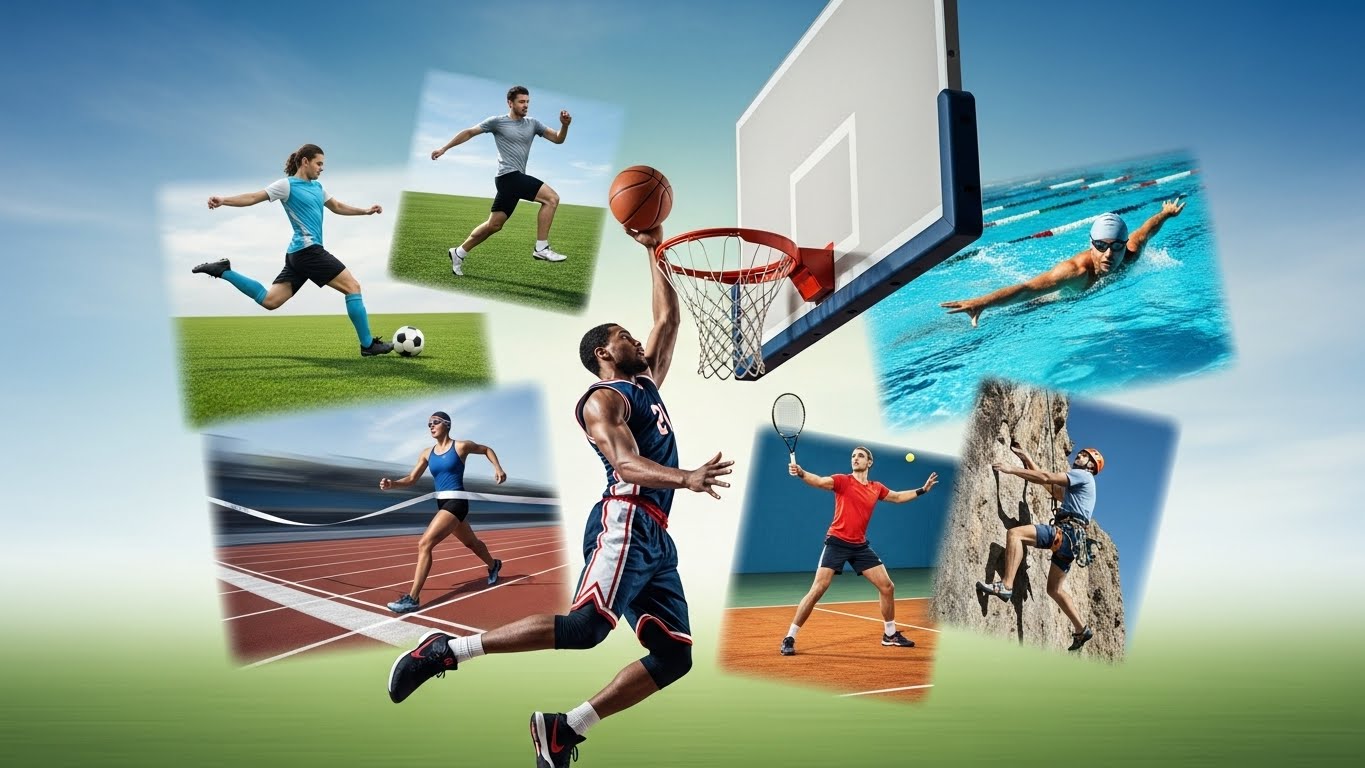
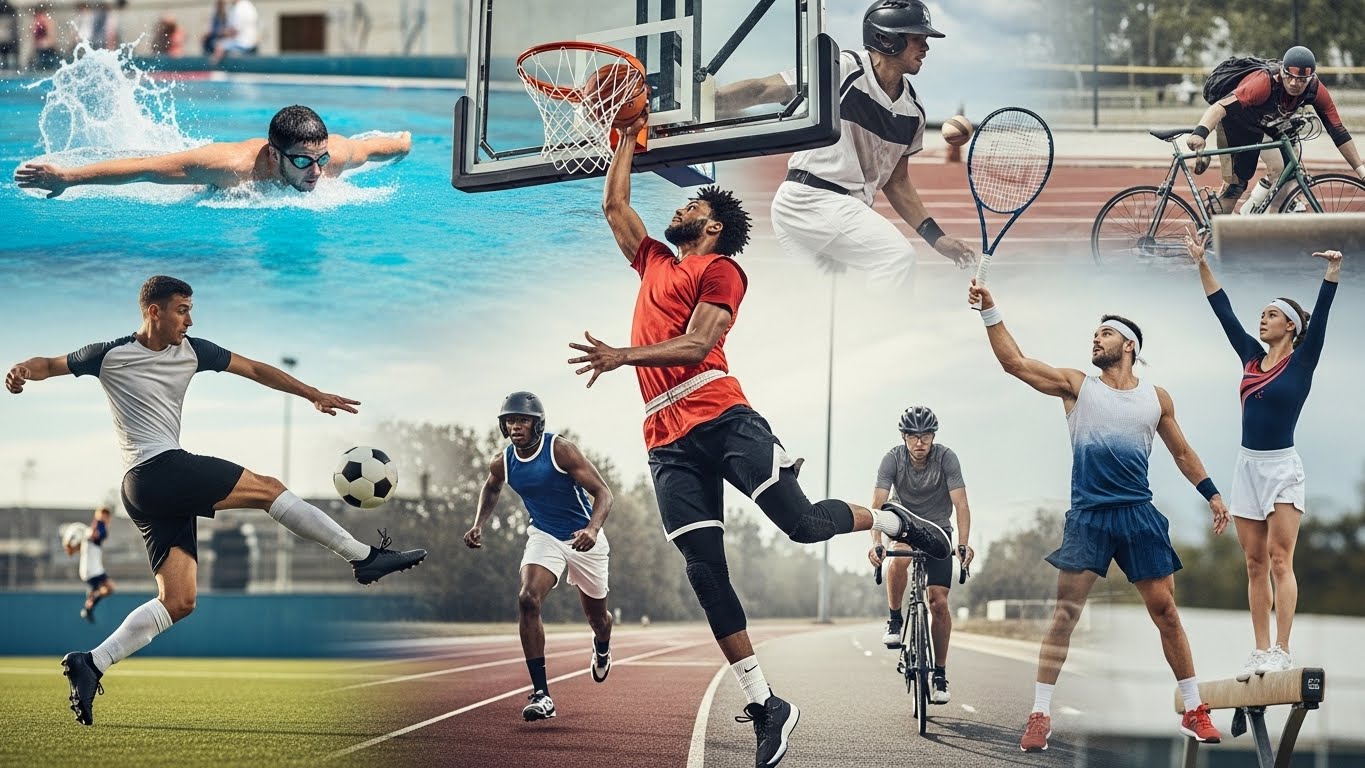
Sports are much more than mere physical activity or entertainment. From local playgrounds to international stadiums, sports influence culture, health, teamwork, and personal development in ways that transcend the scoreboard. They serve as a reflection of society, a platform for unity, and a medium for individual growth. In this post, we will explore the multifaceted impact of sports and how they continue to shape human life in profound ways.
The Universal Language of Sports
Sports have the unique ability to cross cultural, linguistic, and geographical boundaries. Whether it is soccer in Brazil, cricket in India, or basketball in the United States, sports are understood and appreciated across the globe. They have the power to bring people together, fostering a sense of community and shared purpose.
Even without a common spoken language, the excitement of a match, the thrill of a goal, and the tension of a tie are universally understood. Sports create connections among people from vastly different backgrounds, proving that passion and competition can unite humanity beyond cultural differences.
Physical Benefits: Beyond Fitness
One of the most evident advantages of sports is physical health. Regular participation in sports improves cardiovascular fitness, strengthens muscles, enhances flexibility, and promotes overall well-being. For children, sports encourage motor skill development, balance, and coordination. For adults, they provide a structured way to stay active, reduce the risk of chronic diseases, and maintain a healthy weight.
Moreover, sports instill habits of discipline, consistency, and resilience. Training routines, recovery periods, and nutritional requirements all contribute to a holistic approach to health. Unlike simple gym exercises, sports offer dynamic and engaging physical activity that stimulates not just the body, but the mind as well.
Mental Health and Sports
While the physical benefits are significant, the mental health advantages of sports are equally compelling. Engaging in sports reduces stress levels, combats anxiety, and improves mood. Activities that require strategic thinking, such as chess, tennis, or team sports, sharpen mental acuity and decision-making skills.
Sports also teach athletes to handle failure and setbacks. Losing a match or facing a challenging opponent can be frustrating, but these experiences cultivate resilience and mental toughness. They provide valuable lessons in persistence, patience, and emotional control that extend far beyond the playing field.
The Role of Sports in Education
Sports play a crucial role in education systems around the world. Schools and colleges often integrate physical education programs to ensure that students develop not just academically, but physically and socially as well. Participation in sports helps students learn time management, goal setting, and teamwork.
Beyond individual development, sports can enhance school culture. Competitive events, inter-school tournaments, and friendly matches foster school spirit, camaraderie, and a sense of belonging among students. Many educational institutions recognize that sports can be a powerful tool to motivate students and cultivate life skills that textbooks alone cannot teach.
Teamwork and Leadership Skills
Sports, particularly team sports, are an excellent training ground for leadership and collaboration. Players must communicate effectively, support each other, and strategize together to succeed. These experiences translate into real-life skills that are invaluable in professional and personal settings.
Leadership in sports is not just about captaining a team; it involves motivating others, taking responsibility, and leading by example. Team members learn to trust each other, resolve conflicts, and leverage individual strengths for collective success. These lessons build character and enhance interpersonal skills that remain relevant long after the game ends.
Sports and Cultural Identity
Sports are deeply intertwined with cultural identity. National teams often become symbols of pride, reflecting a country’s heritage, values, and aspirations. International tournaments like the Olympics or World Cup showcase not only athletic talent but also cultural diversity.
For many communities, local sports teams serve as cultural anchors, representing the region’s history, traditions, and spirit. Festivals, rituals, and fan traditions surrounding sports events often become integral parts of cultural identity, fostering a sense of belonging and shared heritage.
The Economic Impact of Sports
The influence of sports extends beyond personal development and cultural identity; it also significantly impacts the economy. Sports industries generate employment opportunities in areas such as coaching, sports medicine, event management, and broadcasting. Large-scale sporting events attract tourism, boost local businesses, and stimulate infrastructure development.
Professional athletes, sports brands, and media networks contribute to a thriving global sports economy. The commercialization of sports, while sometimes criticized, has created financial opportunities for millions, ranging from athletes and trainers to marketers and journalists.
Inspirational Stories and Role Models
Sports have a unique way of producing role models who inspire millions. Athletes often demonstrate extraordinary dedication, perseverance, and resilience, showing that success is a result of hard work and determination. Stories of athletes overcoming adversity, injury, or social challenges resonate deeply, motivating others to pursue their dreams.
Role models in sports also promote positive values such as fair play, discipline, and teamwork. Their influence extends beyond the game, impacting youth, communities, and even national consciousness. Many athletes use their platforms to champion social causes, contributing to positive societal change.
The Evolution of Sports
Sports have evolved dramatically over centuries. Traditional games rooted in local culture have transformed into globally recognized competitions. Technological advancements, such as video replay, performance analytics, and wearable fitness devices, have enhanced both training and viewing experiences.
Modern sports are not limited to physical contests. E-sports, for example, have emerged as a legitimate competitive field, combining strategy, teamwork, and digital skill. This evolution demonstrates that sports are adaptable and continue to reflect societal trends and technological progress.
Inclusivity and Sports
Sports have the power to promote inclusivity and equality. Initiatives supporting women, differently-abled athletes, and underrepresented communities have challenged stereotypes and expanded opportunities. Adaptive sports and Paralympic events demonstrate that athletic achievement is not confined by physical limitations.
Inclusivity in sports fosters empathy, respect, and awareness. When diverse groups participate and succeed, it encourages broader social acceptance and highlights the universality of human potential.
Sports as a Source of Entertainment
Beyond its developmental and cultural significance, sports are a primary source of entertainment worldwide. Fans experience a rollercoaster of emotions through victories, losses, and unexpected moments. The thrill of live events, the excitement of unpredictable outcomes, and the stories behind teams and players captivate millions.
Entertainment in sports also drives social interaction. Fans gather to watch matches, celebrate victories, and share experiences. This communal aspect enhances life satisfaction and strengthens social bonds.
Sports and Technology: A Modern Synergy
Technology has reshaped the way sports are played, viewed, and analyzed. Video analysis helps athletes perfect techniques, wearable devices track performance metrics, and virtual reality provides immersive training experiences. Fans benefit from instant replays, interactive apps, and online streaming platforms that bring the game closer than ever.
The fusion of technology and sports ensures continuous innovation. It enhances safety, improves performance, and expands accessibility, making sports a forward-looking and dynamic field.
Conclusion: Sports as a Life-Changing Force
Sports are far more than competitive contests or weekend entertainment. They are a transformative force that shapes physical health, mental resilience, cultural identity, social cohesion, and personal growth. From fostering teamwork and leadership to inspiring individuals and communities, sports leave an indelible mark on every aspect of life.
By engaging in sports, whether as players, fans, or supporters, individuals participate in a rich tradition that transcends generations. They become part of a global movement that celebrates human potential, determination, and the joy of shared experiences. Sports remind us that life, much like a game, is best played with passion, perseverance, and a sense of camaraderie.