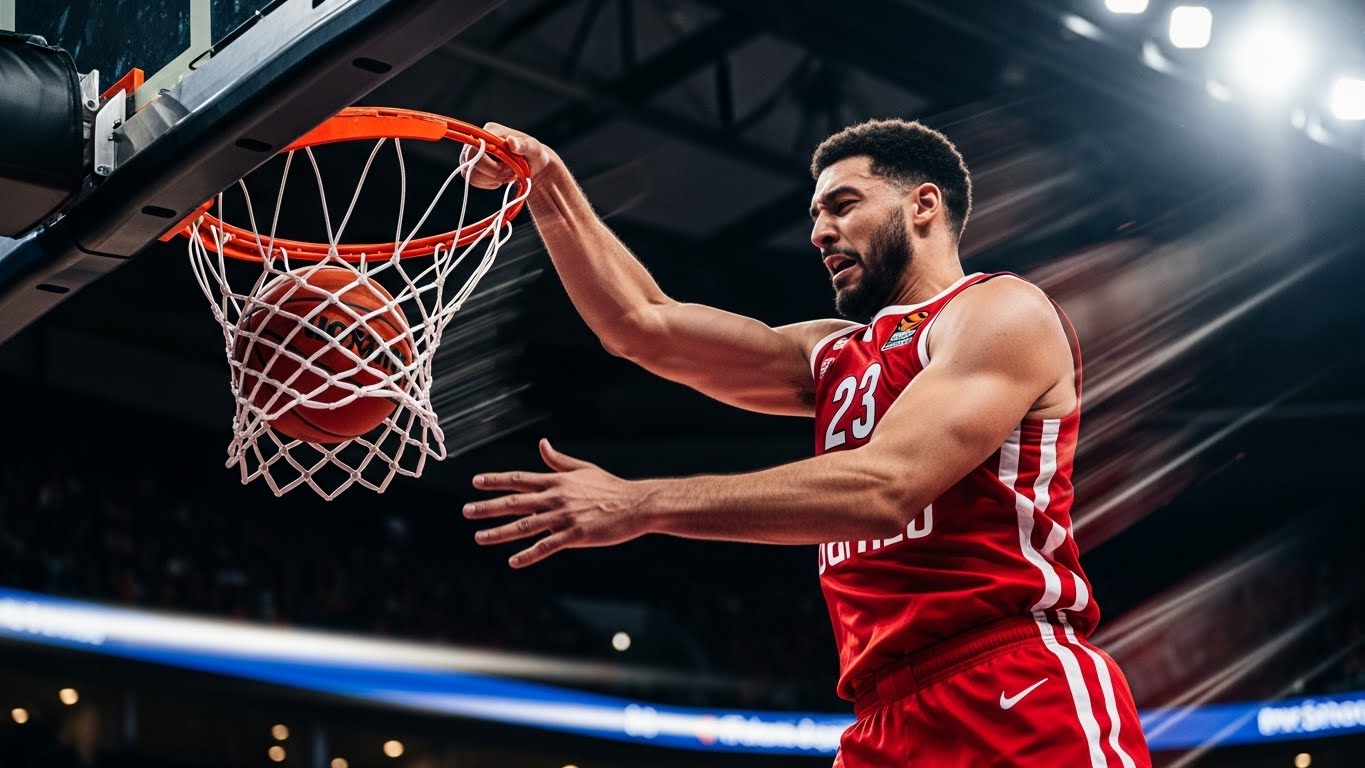

Sports are more than just games. They are arenas where individuals discover their limits, challenge societal expectations, and create moments of pure emotion that resonate far beyond the boundaries of the field, court, or track. Whether it’s the raw energy of a packed stadium, the quiet determination of an athlete pushing through their limits, or the community spirit that emerges from a shared love of a sport, the influence of sports on our lives is profound and far-reaching.
In this blog, we will delve into the many ways sports shape our lives, from personal growth and societal impact to the deeper connection between athletes and their fans. Sports provide lessons in perseverance, teamwork, and leadership, and offer a much-needed sense of identity and unity. But more importantly, sports offer a way to engage with life itself—helping us better understand ourselves and the world around us.
The Power of Perseverance: Overcoming Obstacles
One of the most significant lessons that sports teach is the importance of perseverance. Every athlete, from amateur to professional, faces setbacks, failures, and obstacles. It’s how they respond to these challenges that sets them apart. In sports, failure is not seen as a permanent state but as a temporary hurdle that can be overcome with hard work, dedication, and a never-give-up attitude.
Take, for instance, the story of Michael Jordan, often considered the greatest basketball player of all time. Jordan was famously cut from his high school basketball team, a moment that could have ended his career before it began. But rather than giving up, he used the rejection as motivation to work harder, refine his skills, and ultimately become an icon. This story is not unique to Jordan—every athlete has a similar tale of persistence and resilience.
In everyday life, we face our own challenges—whether personal, professional, or social. The lessons learned from athletes and sports can serve as inspiration to push through adversity. The idea that success doesn’t come overnight but is earned through effort and determination is a universal lesson that transcends the sports world and applies to all areas of life.
The Role of Teamwork: Building Bonds and Strengthening Communities
Sports are not just about individual glory—they are also about teamwork. Whether it’s a football team coordinating plays or a group of swimmers pushing each other during practice, teamwork is at the heart of many sports. It’s the understanding that the sum of the parts is greater than the whole.
Teamwork in sports teaches us how to collaborate, communicate, and support one another. It highlights the importance of playing to one’s strengths while recognizing that success often depends on the collective effort. This is particularly true in team sports like football, basketball, and soccer, where every player’s contribution matters, and where leadership and selflessness are key to victory.
These lessons are transferable to real life as well. In the workplace, in family life, and in our communities, effective teamwork is vital for achieving shared goals. The ability to communicate, trust others, and work toward a common objective are skills that are sharpened on the field and are invaluable off it.
Moreover, sports have the power to unite people from different backgrounds and cultures. Large-scale events like the Olympics or the FIFA World Cup showcase how sports can bridge divides, bringing together individuals who might otherwise have little in common. The shared experience of cheering for a team or an athlete fosters a sense of belonging and collective pride, strengthening social bonds and contributing to a sense of unity within communities.
The Art of Leadership: Learning to Lead by Example
Sports are a training ground for leadership. Many of the world’s most successful leaders have been athletes at some point in their lives, and the skills they developed on the field often transfer to their roles in the business world and beyond. Leadership in sports isn’t just about being the captain of a team—it’s about inspiring others, setting a positive example, and making decisions that benefit the group as a whole.
A great leader in sports understands that their success is closely tied to the success of their team. They lead by example, showing their teammates what it means to work hard, stay focused, and demonstrate resilience. They know when to step up in critical moments and when to step back and support others. In the same way, effective leadership in the workplace or community requires individuals who can make tough decisions, motivate others, and stay calm under pressure.
Consider the leadership style of Serena Williams, one of the greatest tennis players of all time. Her success on the court is a result not only of her unparalleled skill but also of her mental toughness, determination, and ability to inspire others. Williams has mentored younger players, and her influence extends far beyond tennis, helping to redefine what leadership looks like in both sports and society.
The Psychological Benefits of Sports: Building Mental Toughness
While much attention is often given to the physical benefits of sports, their psychological benefits are just as significant. Engaging in physical activity can have a profound impact on mental health, helping to alleviate stress, anxiety, and depression. Sports provide a structured outlet for emotions and offer a sense of accomplishment and pride when goals are achieved.
Athletes often speak of the “zone”—that state of mind where they are fully immersed in the moment, blocking out distractions and focusing entirely on the task at hand. This state of flow is not only beneficial for sports performance but can also improve cognitive functioning, creativity, and overall well-being.
Sports also promote a sense of discipline and focus, helping athletes develop mental toughness that carries over into other aspects of their lives. The ability to stay calm under pressure, push through fatigue, and maintain focus in challenging circumstances are all qualities that athletes develop through their training. These skills can be invaluable in high-stress situations outside the world of sports, from professional settings to personal challenges.
Sports as a Universal Language: Connecting Across Cultures
Sports transcend language, nationality, and culture. They provide a universal platform for people to come together and share common experiences. The excitement of watching a last-minute goal, the joy of witnessing a perfect serve, or the thrill of seeing an underdog team overcome the odds are emotions that people all over the world can understand, regardless of their background or language.
Take the example of the FIFA World Cup—arguably the world’s most-watched sporting event. The tournament brings together nations from all corners of the globe, creating a global community of fans who may never meet in person but who share a deep bond over their love of the game. Through sports, we connect with people from different cultures and backgrounds, finding common ground in shared experiences and emotions.
Moreover, sports can break down barriers and challenge stereotypes. They offer a platform for marginalized groups to showcase their talents, defy expectations, and reshape societal narratives. Women’s sports, for example, have grown in prominence in recent years, with athletes like Simone Biles and Megan Rapinoe becoming global icons and challenging outdated perceptions of gender roles in sports.
The Legacy of Sports: Inspiring Future Generations
The impact of sports reaches far beyond the athletes themselves. For many, sports serve as a source of inspiration and hope. Young children look up to athletes as role models, aspiring to one day achieve similar success. The influence of a single athlete can inspire an entire generation to pursue their dreams, whether in sports or in other fields.
Sports also provide opportunities for social mobility. Many athletes come from humble backgrounds and use sports as a way to overcome personal or economic challenges. The rise of athletes like LeBron James, who grew up in poverty but became one of the richest and most influential figures in sports, demonstrates the potential for sports to act as a vehicle for change and opportunity.
The lasting legacy of sports is not just in the records or trophies; it’s in the lives they touch and the communities they inspire. Sports remind us of the value of hard work, the importance of unity, and the possibility of success despite the odds. They teach us to dream big, to push past obstacles, and to believe in our potential.
Conclusion: The Heartbeat of Society
Sports are far more than just a form of entertainment—they are a powerful force that shapes individuals, communities, and societies. From teaching perseverance and teamwork to promoting mental toughness and leadership, sports offer valuable lessons that go beyond the game. They provide an outlet for self-expression, foster connections across cultures, and offer a platform for social change.
In a world that often feels divided, sports remind us of our shared humanity. They bring us together in moments of joy, triumph, and defeat, and help us understand that success is not always about winning but about how we play the game. The next time you watch a game, cheer for your team, or lace up your sneakers for a workout, remember that sports are more than just a pastime—they are a reflection of life itself.