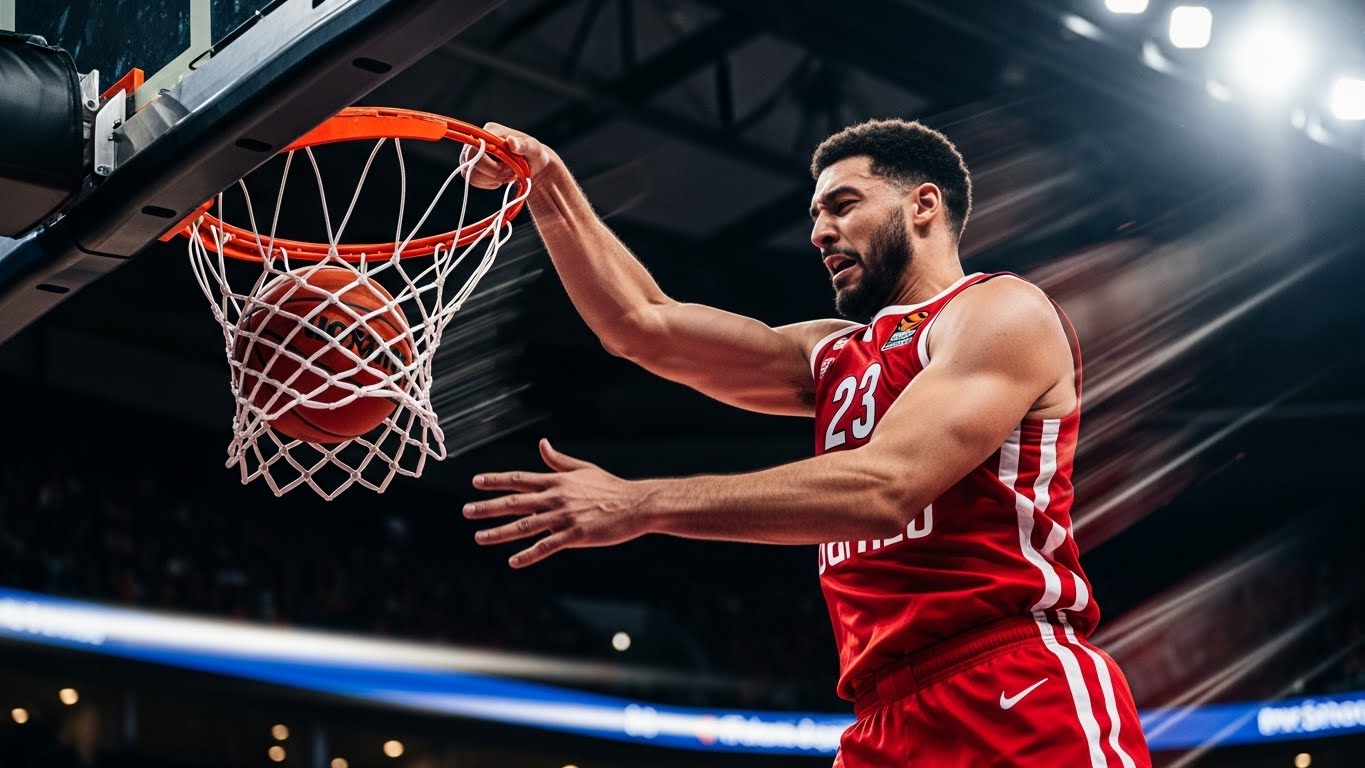
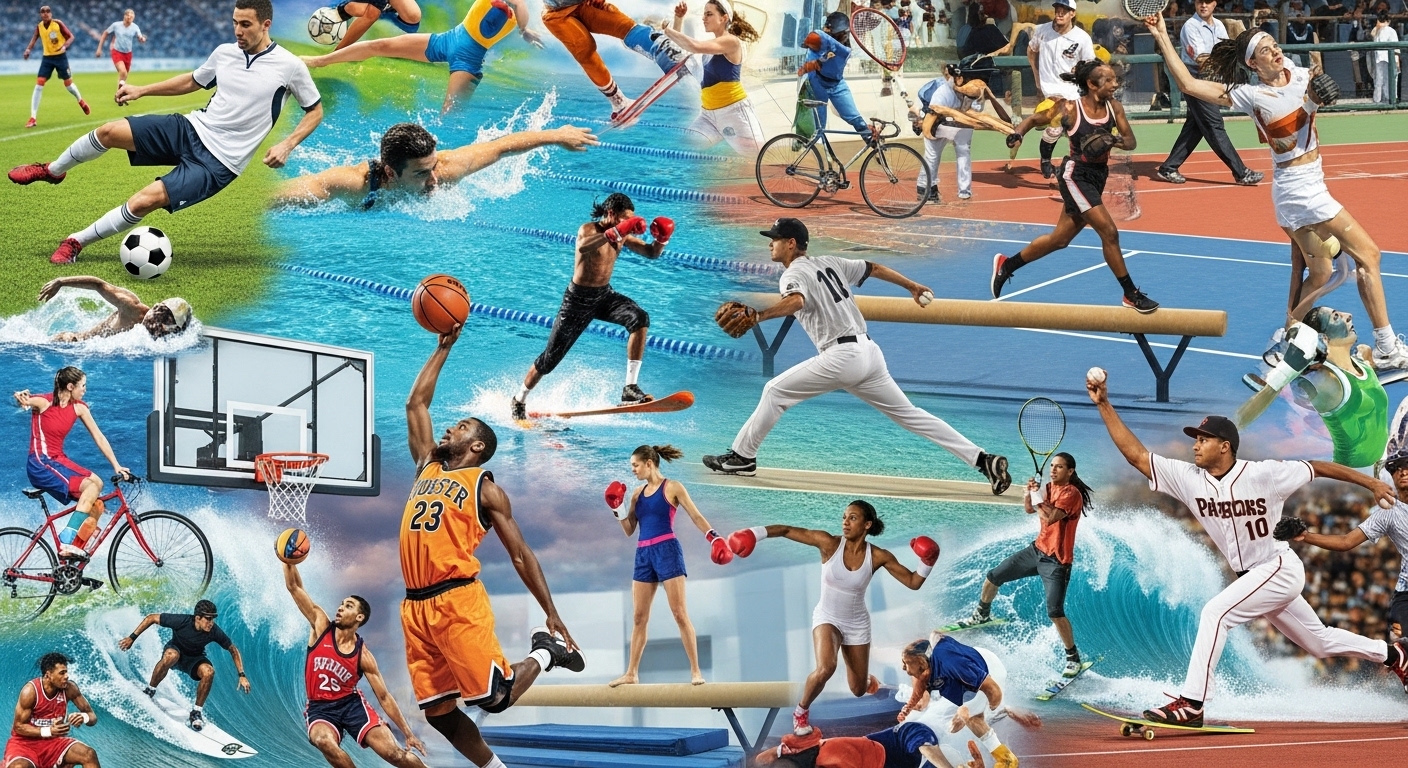
Sports have always been a cornerstone of culture, identity, and entertainment. Whether it’s the intensity of a soccer match or the precision of a tennis serve, sports offer a platform for athletes to showcase their talent, and for fans to feel connected to something larger than themselves. However, the sports landscape has been undergoing significant changes over the past few decades. From technological advancements to shifting fan expectations and the growing influence of social media, sports are evolving in ways that are reshaping the experience for everyone involved. In this post, we’ll explore the many ways sports are changing, and how these changes are shaping the future of athletic competition.
The Rise of Technology in Sports: From Wearables to AI Analytics
Technology has become an integral part of modern sports, revolutionizing the way athletes train, compete, and recover. One of the most notable innovations is the use of wearable technology, which tracks everything from an athlete’s heart rate and sleep patterns to their speed, distance, and recovery time. Devices like smartwatches and fitness trackers allow athletes to monitor their performance in real time, enabling coaches to adjust training regimens to optimize results.
In addition to wearables, AI and data analytics are increasingly being used to analyze every aspect of a game. Coaches now have access to detailed data on player performance, including metrics like shot accuracy, positioning, and decision-making speed. This wealth of information helps teams make more informed strategic decisions, from player selection to in-game tactics. For example, in basketball, coaches can now use advanced stats to analyze a player’s shooting efficiency from different spots on the court, while in football, coaches can use player tracking data to create the most effective defensive strategies.
On the fan side, technology is enhancing the viewing experience. High-definition broadcasts, virtual reality, and even augmented reality apps are allowing fans to experience sports in more immersive and interactive ways. Some venues even offer VR experiences where fans can “sit” courtside or at the 50-yard line, no matter where they are in the world.
The Influence of Social Media: Athletes as Brands
Social media has completely changed the way athletes interact with fans. Platforms like Twitter, Instagram, and TikTok allow athletes to share their personal lives, behind-the-scenes moments, and real-time reactions, making them more relatable and accessible than ever before. This increased visibility has given rise to athletes becoming brands in their own right, building large followings and endorsement deals through their online presence.
Athletes now have the ability to engage directly with fans, which not only boosts their personal profiles but also has a significant impact on their marketability. A tweet or Instagram post can go viral in a matter of hours, and athletes often use social media to launch product lines, promote sponsorships, or advocate for causes they are passionate about. LeBron James, for example, has cultivated a massive social media presence that helps elevate his influence both on and off the court.
However, this constant connectivity comes with its own set of challenges. Athletes are under more pressure than ever to maintain a certain image and handle public scrutiny in real time. The recent rise of cancel culture and online criticism means that athletes now need to be more strategic in how they present themselves, both in the arena and online.
The Expansion of Esports: The Digital Revolution in Sports
In the last decade, esports has emerged as one of the fastest-growing sectors in the sports industry. What was once a niche activity for gamers has now become a global phenomenon, with competitive gaming events drawing millions of viewers online and in stadiums. Titles like League of Legends, Fortnite, and Counter-Strike have transformed from simple video games into highly organized, competitive sports with dedicated teams, coaches, and sponsorship deals.
Esports tournaments are held in massive arenas, and the prize pools for major events can rival those of traditional sports leagues. This rise of esports has attracted big-name investors, major brands, and even traditional sports teams who are looking to cash in on the booming market. The global audience for esports is young, tech-savvy, and extremely engaged, which is why it’s become a major player in the sports entertainment space.
For young athletes, esports offers an alternative to traditional sports, with less physical strain but just as much excitement. Games like FIFA or NBA 2K have even become platforms for professional athletes to show off their virtual skills, blurring the lines between physical and digital sports. As esports continues to grow, it’s expected to be an integral part of the sports ecosystem in the future.
Diversity and Inclusivity: Changing the Face of Sports
Another significant trend in modern sports is the growing emphasis on diversity and inclusivity. Traditionally, many sports have been dominated by certain demographics, but that is rapidly changing. Women’s sports, for instance, have gained much more visibility and recognition in recent years. The Women’s National Basketball Association (WNBA), women’s soccer leagues, and female athletes like Serena Williams and Simone Biles have pushed the conversation forward, highlighting the incredible talent and resilience of women in sports.
Beyond gender, sports are also becoming more inclusive of athletes from different racial, cultural, and socio-economic backgrounds. Diversity in sports brings new perspectives, and teams are increasingly reflecting the global makeup of the audiences they serve. The rise of athletes as activists has also played a pivotal role in pushing for social change, with figures like Colin Kaepernick in football and Muhammad Ali in boxing using their platforms to speak out on important issues.
Moreover, adaptive sports for athletes with disabilities are gaining traction. The Paralympic Games and Special Olympics are growing in popularity, showcasing athletes who demonstrate immense talent and perseverance. The push for inclusivity in all sports has led to more accessible programs, greater representation, and a celebration of athletes from all walks of life.
The Business of Sports: A Multibillion-Dollar Industry
The economics of sports have grown into an industry worth billions of dollars. Broadcasting rights, sponsorship deals, merchandise sales, and ticket revenues all contribute to the global sports economy, making it one of the most lucrative sectors in entertainment. Major leagues like the NFL, NBA, and Premier League generate massive profits, and with the continued growth of sports betting and fantasy sports, even casual fans can now participate in the financial side of sports.
This commercialization has brought benefits in terms of sponsorship and investment, allowing teams to build state-of-the-art facilities and pay high salaries to players. However, it has also raised questions about the impact of money on the integrity of the game. With the rise of sports betting, some worry that the pressure to perform and the influence of gambling could corrupt the spirit of competition. Additionally, the relentless pursuit of profits can sometimes overshadow the interests of athletes, fans, and communities.
Sustainability in Sports: A Call for Green Practices
As environmental concerns continue to rise, the sports world is beginning to focus on sustainability. Many sports organizations are adopting green practices, from using renewable energy to building eco-friendly stadiums and reducing waste. Major events like the Olympics and the FIFA World Cup are being held to higher environmental standards, with sustainability now a key part of the planning process.
For example, the 2020 Tokyo Olympics made strides in creating sustainable venues, such as using recyclable materials for medals and developing an eco-friendly village for athletes. The sports industry is increasingly aware of its environmental impact, and as fans demand more sustainability, leagues, teams, and brands are stepping up to deliver.
Conclusion: The Future of Sports
The world of sports is rapidly evolving, driven by technological advancements, new business models, and a focus on inclusivity. From the rise of esports to the integration of AI and data analytics into player development, sports are no longer just about physical prowess—they are becoming highly technical, interactive, and diverse. The future of sports will be more connected, more inclusive, and more global than ever before.
As fans and athletes continue to embrace these changes, one thing remains certain: sports will always be about passion, competition, and the pursuit of excellence. The next era promises to bring even more excitement, with new opportunities for athletes and fans alike. Whether it’s through a screen or in person, the thrill of the game is here to stay, and it’s only going to get better.