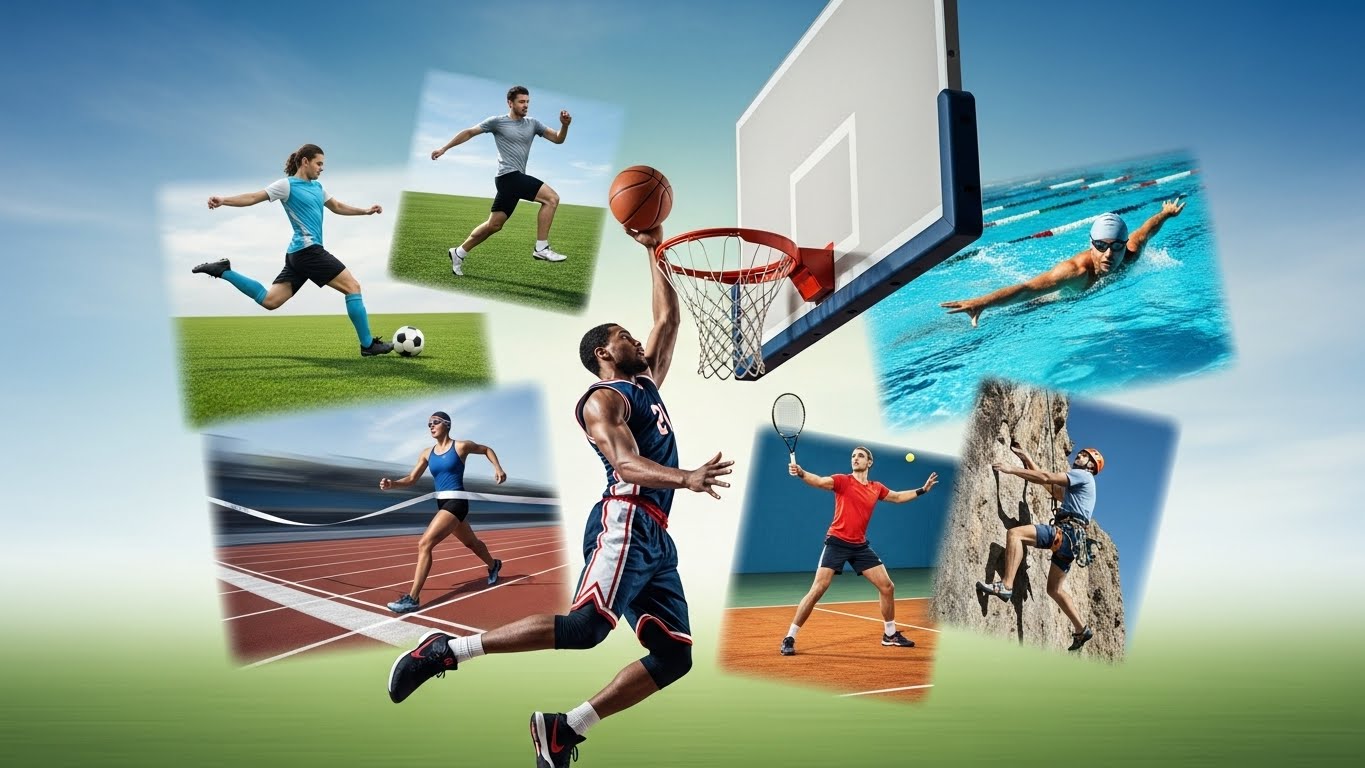
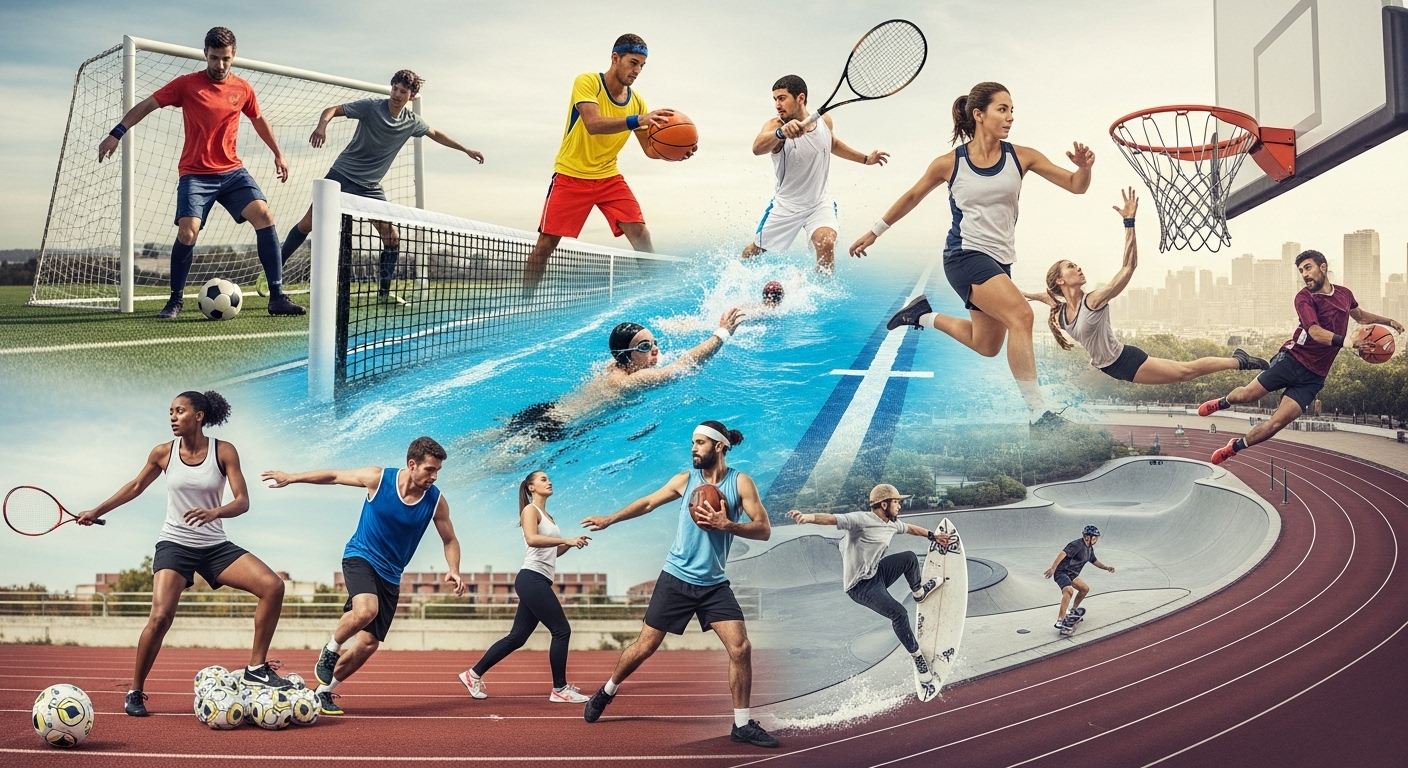
Sports have always held a unique place in the hearts of millions across the world. From competitive leagues to casual neighborhood games, sports go beyond the realm of mere entertainment. They offer valuable life lessons, foster community, and have the power to unite us in ways few other activities can. This blog post delves into the transformative impact of sports, focusing on why they matter in today’s fast-paced world and how they influence both individual growth and social connection.
The Power of Sports in Uniting People
One of the most extraordinary qualities of sports is their ability to bring people together. Regardless of language, background, or nationality, sports create a universal bond. A soccer match played in a small town can have the same energy as a World Cup final. The simple act of playing or watching a sport brings together individuals from different walks of life, creating shared experiences that transcend differences.
In international competitions, such as the Olympics or the FIFA World Cup, the world becomes a stage for celebrating collective human achievement. Teams and athletes become symbols of national pride, but at the same time, sports promote an underlying message of unity. The excitement that fills a stadium or the thrill of watching a game on television is a reminder that no matter where we come from, we all share the same passion for the game.
Life Lessons Learned Through Sports
Sports are not just about winning or losing; they offer profound life lessons that extend far beyond the playing field. Discipline, resilience, teamwork, and leadership are just a few of the qualities that sports instill in participants. The dedication to training and preparation in sports teaches individuals how to be disciplined in pursuing their goals. Whether it’s waking up early for practice or following a strict regimen, athletes learn the importance of consistency and hard work.
Resilience is another key lesson sports provide. In every game, there are moments of triumph and defeat. Athletes often face setbacks, injuries, or losses, but it’s how they respond to these challenges that defines their character. The ability to bounce back after failure, to remain focused under pressure, and to keep pushing forward despite obstacles is a skill that athletes carry with them throughout their lives.
Teamwork is perhaps one of the most important values learned through sports. In team sports, players must collaborate, communicate, and rely on each other to achieve success. The value of working towards a common goal, understanding different roles, and supporting one another is something that resonates far beyond the playing field. These lessons in collaboration translate seamlessly into personal and professional relationships, making sports an essential training ground for teamwork in every aspect of life.
Building Strong Communities Through Sports
Beyond individual growth, sports are a powerful tool for building and strengthening communities. Local sports clubs, youth leagues, and recreational teams provide spaces for people to come together, forge connections, and build lasting friendships. These communities create a sense of belonging, where individuals find common ground and a shared sense of purpose.
Sports also serve as a platform for social inclusion. They break down barriers between people of different social classes, races, and backgrounds. A neighborhood football game might feature kids from various schools, cultures, and socioeconomic backgrounds, all working together to achieve a single goal. Through sports, prejudices and stereotypes can be challenged, creating opportunities for individuals to learn from one another and build stronger, more inclusive communities.
In many ways, sports become the heart of a community, offering a sense of identity and pride. Local teams represent more than just athletic achievement; they embody the spirit, hopes, and dreams of the people they represent. Whether it’s supporting a high school basketball team or cheering for a professional franchise, sports allow communities to come together and celebrate their shared values.
Sports and Mental Well-Being
In a world where mental health concerns are becoming increasingly prevalent, sports offer an accessible way to improve psychological well-being. The physical activity involved in sports releases endorphins, which are natural mood elevators. For many, a game of basketball or a morning jog can be a form of therapy, helping to reduce stress and anxiety.
Moreover, sports provide a healthy outlet for emotional expression. The joy of victory or the frustration of a narrow loss gives people a way to channel their emotions in a constructive manner. This emotional release is important for mental clarity and overall well-being. Participating in sports also provides a sense of accomplishment and boosts self-esteem, which can have a lasting impact on a person’s mental health.
In addition to the physical and emotional benefits, sports also foster social connections that contribute to a person’s sense of belonging. The friendships formed through sports often become a crucial support network, offering individuals a sense of camaraderie and security. The bonds created through shared experiences on the field or in the gym are some of the most powerful relationships people form in their lives.
The Global Impact of Sports on Society
Sports have far-reaching effects on society, influencing everything from economics to politics. The economic impact of sports cannot be overstated—professional sports leagues, tournaments, and events generate billions of dollars in revenue. They create jobs, boost tourism, and contribute to the development of infrastructure, such as stadiums and training facilities. Even smaller-scale local sports events contribute to the economy by attracting fans and participants.
Sports can also serve as a powerful tool for social change. Through the platform they provide, athletes can raise awareness for important causes and inspire action. From Colin Kaepernick’s protest against racial injustice to Serena Williams’ advocacy for gender equality, athletes have used their fame to address social issues, sparking conversations that go beyond the world of sports. The ability of sports to influence social change shows that they are more than just games; they are a vehicle for progress and reflection.
Conclusion: Why Sports Matter More Than Ever
In a fast-paced, often disconnected world, sports offer something irreplaceable: a space for personal growth, a means of building connections, and a way to unify people from all corners of the globe. They teach us valuable lessons about resilience, discipline, and teamwork while offering a sense of belonging that transcends borders. Whether it’s the local youth soccer league or the global spectacle of the Olympics, sports shape us in ways that go far beyond the scoreboard.
In every game, there’s a lesson to be learned. In every victory, a chance to reflect on the hard work it took to get there. And in every loss, an opportunity to grow stronger. The impact of sports on our lives is undeniable, and as we continue to engage in them, we not only improve our physical health but also our mental, emotional, and social well-being. Sports, in their many forms, remain an essential part of our journey through life, offering opportunities for growth, connection, and unity in ways no other activity can.