Introduction: The Universal Language of Sports
Sports have been an integral part of human society for millennia. They serve not only as a source of entertainment but also as a means of promoting physical health, mental well-being, and social unity. From local pick-up games in neighborhood parks to international events like the Olympic Games, sports connect people from different backgrounds, cultures, and beliefs. They have the power to inspire, unite, and transform individuals and communities.
This blog post explores the multifaceted role of sports, highlighting their history, types, benefits, and cultural significance. Whether you’re a casual player, a dedicated fan, or someone just beginning to appreciate the world of sports, understanding their deeper impact can enrich your perspective on their role in modern life.
The Historical Evolution of Sports
The origins of sports can be traced back to ancient civilizations. As early as 3000 BCE, ancient Egyptians held various competitions, from running races to chariot racing. However, it was the ancient Greeks who are often credited with formalizing sports into organized events. The Olympic Games, first held in 776 BCE, were not only a demonstration of athletic prowess but also an expression of religious and cultural pride.
The Romans, too, contributed significantly to the development of sports, especially through gladiatorial combat and chariot racing, which were popular public spectacles. Over time, sports evolved, with European nations in the Middle Ages developing their own tournaments and games.
By the 19th century, sports took on a more modern form with the establishment of official rules and organizations. The Industrial Revolution contributed to this shift, as urbanization and technological advances provided people with the leisure time and resources to participate in more structured forms of sport. The formation of national leagues, such as the English Football Association in 1863, further institutionalized sports, setting the stage for the global sporting culture we recognize today.
The Global Popularity of Sports
In today’s world, sports are an international phenomenon. The global popularity of sports like football (soccer), basketball, and cricket is unmatched. These sports transcend borders, bringing people together regardless of language or nationality. For example, the FIFA World Cup attracts millions of viewers from all corners of the world, and the Olympic Games, held every four years, showcase the very best of global athleticism.
The proliferation of sports on television and the rise of digital media have made it possible for fans from remote corners of the world to follow their favorite teams and athletes. In this way, sports have evolved into a multi-billion dollar global industry. Leagues such as the National Football League (NFL), the National Basketball Association (NBA), and Major League Baseball (MLB) are watched by millions, while athletes like Lionel Messi, LeBron James, and Usain Bolt have become global icons.
This widespread popularity also fosters a sense of community. Fans gather in stadiums, bars, and living rooms to watch games, forging bonds that go beyond the sport itself. Sporting events, especially those that involve national teams, have the power to unite entire nations, often creating a sense of national pride and identity.
Categories of Sports: From Team Events to Individual Pursuits
Sports come in various forms, catering to different interests and skill levels. Broadly speaking, they can be classified into team sports, individual sports, combat sports, and extreme sports. Let’s take a closer look at each of these categories.
Team Sports: Collaboration and Strategy
Team sports are those that require individuals to work together in order to achieve a common goal. These sports emphasize teamwork, communication, and coordination. The most popular team sports in the world include:
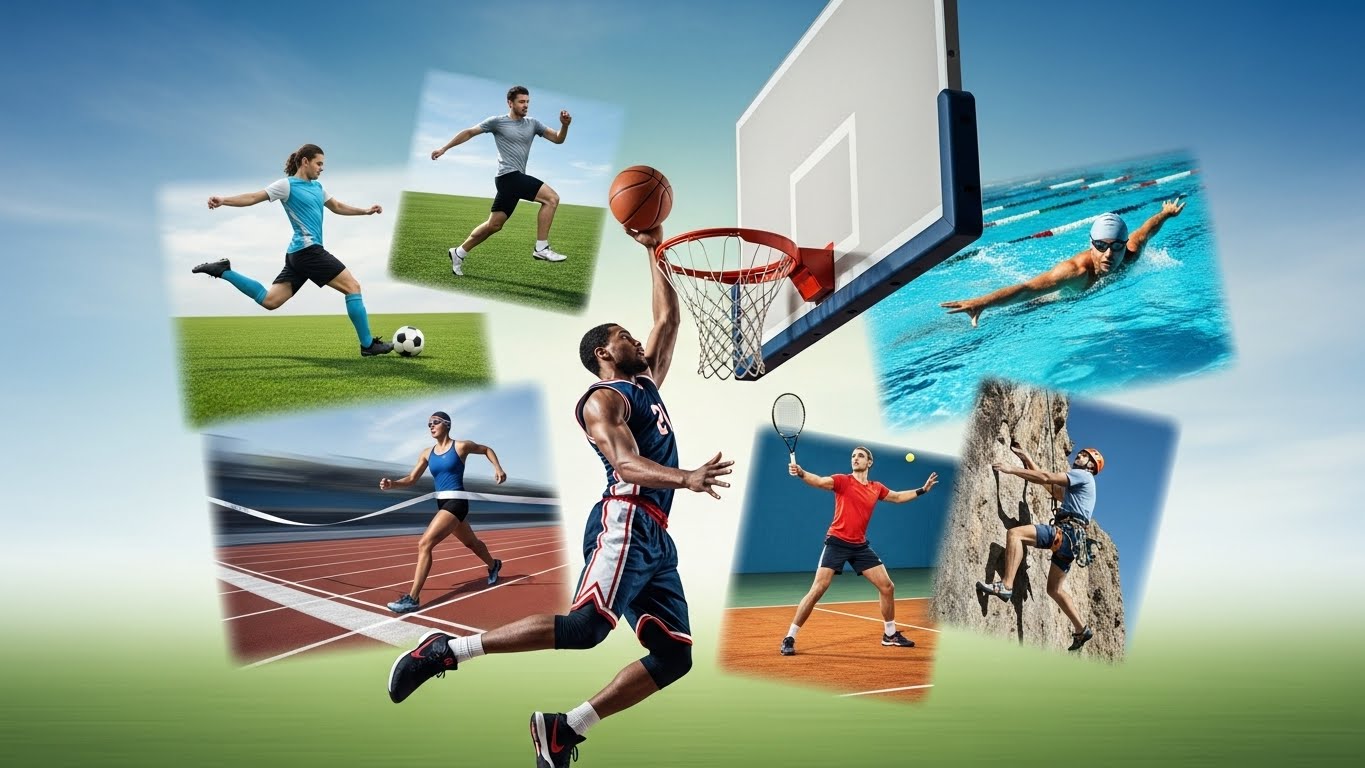
- Football (Soccer): Football, known as soccer in some countries, is the world’s most popular sport. Played by two teams of eleven players on a rectangular field, the goal is to score by getting the ball into the opponent’s net. The simplicity of the rules and the global accessibility of the game have contributed to its widespread appeal.
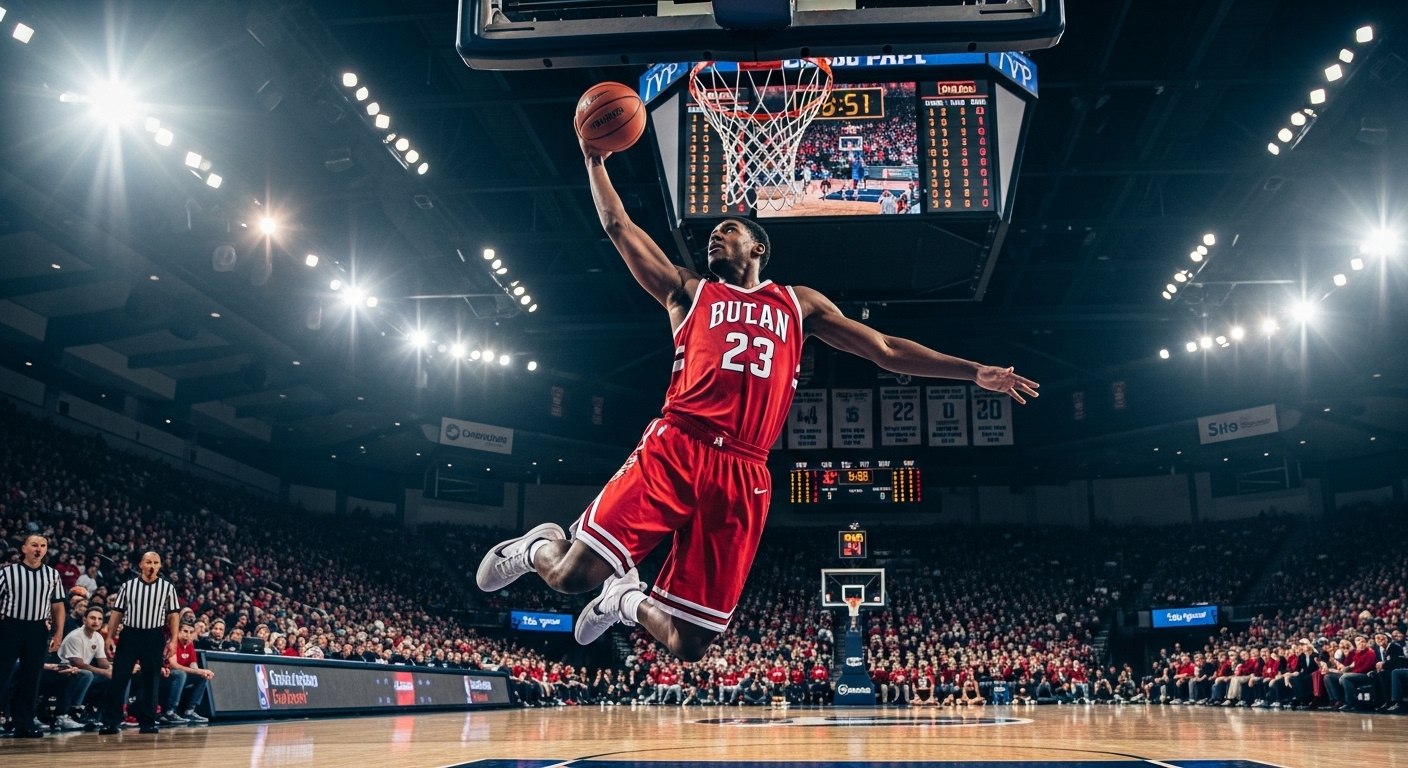
- Basketball: Played on a rectangular court by two teams of five players, basketball is known for its fast-paced action and high-scoring games. The objective is to score by shooting the ball through the opponent’s hoop.
- Rugby: Rugby is a contact sport where two teams of fifteen players each compete to carry or kick the ball into the opponent’s territory. Known for its physicality and tactical complexity, rugby is especially popular in countries like New Zealand, South Africa, and England.
- Cricket: Played primarily in countries like India, Australia, and England, cricket involves two teams of eleven players each. The game can last for several hours or days, and the objective is to score more runs than the opposing team.
Team sports have many benefits beyond physical fitness. They teach valuable life skills such as teamwork, leadership, and problem-solving. The nature of these sports requires individuals to work towards a common goal, and the bonds formed between teammates can last a lifetime.
Individual Sports: Pursuit of Personal Excellence
While team sports emphasize collaboration, individual sports focus on personal achievement. Athletes in these sports are responsible for their own performance, relying on their discipline, determination, and skill. Some of the most popular individual sports include:
- Tennis: Tennis can be played in singles or doubles formats, with players trying to outscore their opponents by hitting a ball over a net. Tennis requires both physical stamina and mental focus, as players must anticipate their opponent’s moves and react quickly.
- Swimming: Swimming is an individual sport that tests an athlete’s endurance and technique. Swimmers compete in various events, from sprints to long-distance races, using different strokes such as freestyle, breaststroke, and butterfly.
- Athletics: Athletics encompasses a range of events, including running, jumping, and throwing. It is one of the oldest forms of competitive sport, and it requires athletes to hone their physical abilities and mental toughness.
- Gymnastics: Gymnastics combines strength, flexibility, and balance in a series of routines performed on various apparatus. Athletes are judged on their execution, and gymnastics requires years of training to master the necessary skills.
Individual sports can be both exhilarating and demanding, as athletes must push themselves to perform at their best. These sports provide a sense of personal accomplishment, and they can instill important life skills such as perseverance, focus, and resilience.
Combat Sports: Strength, Technique, and Discipline
Combat sports involve physical confrontation between two competitors, where the goal is often to overpower or outmaneuver the opponent. These sports require not only physical strength but also mental discipline and strategy. Some well-known combat sports include:
- Boxing: Boxing is a combat sport where two fighters use their fists to land punches on their opponent, with the aim of scoring points or knocking them out.
- Mixed Martial Arts (MMA): MMA is a combat sport that combines various techniques from different martial arts, including striking, wrestling, and submissions. Fighters compete in an octagon-shaped cage, and the sport has grown in popularity due to its intense action.
- Judo: A Japanese martial art, judo focuses on using the opponent’s force against them, with the objective of throwing them onto the ground or pinning them.
- Wrestling: Wrestling involves grappling with an opponent to gain control or to pin them to the mat. It requires strength, technique, and strategy.
Combat sports emphasize discipline, strategy, and mental toughness. Fighters must learn to control their emotions, focus on technique, and adapt to their opponent’s moves.
Extreme Sports: Pushing the Limits of Human Endurance
Extreme sports, also known as action sports, are characterized by high risk and adrenaline-pumping excitement. These sports often take place in extreme environments and challenge athletes to push the boundaries of physical endurance. Popular extreme sports include:
- Skateboarding: Skateboarders perform tricks, flips, and stunts while riding a skateboard. Skateboarding is often performed in skate parks or on city streets, and it requires balance, coordination, and creativity.
- Snowboarding: Snowboarding involves riding a single board down snowy slopes. Snowboarders perform tricks or navigate challenging terrain, and the sport has become especially popular in winter resorts.
- Rock Climbing: Athletes climb rock faces or indoor walls, testing their strength, flexibility, and problem-solving skills. Rock climbing can be done indoors or outdoors and often involves scaling high peaks.
- Bungee Jumping: Bungee jumping involves jumping from a great height with a bungee cord attached to the jumper’s body. The free-fall experience is exhilarating and provides an adrenaline rush like no other.
Extreme sports attract thrill-seekers who are looking for an intense physical and mental challenge. These sports offer unique experiences that test the limits of human capability.
The Benefits of Sports: More Than Just Physical Fitness
While sports are widely recognized for their physical benefits, they also offer a host of other advantages, ranging from mental health improvements to social benefits.
Physical Health
The most obvious benefit of participating in sports is the improvement of physical health. Regular participation in sports helps to improve cardiovascular health, build muscle strength, and maintain a healthy weight. Sports also promote better coordination, flexibility, and endurance. In addition to reducing the risk of chronic conditions such as heart disease, diabetes, and hypertension, sports help to improve overall life expectancy.
Mental Health
Sports are incredibly beneficial for mental health. Engaging in physical activity triggers the release of endorphins, which are natural mood boosters. Studies have shown that regular exercise can reduce the symptoms of depression, anxiety, and stress. Additionally, sports provide a positive outlet for frustration and allow individuals to focus on something other than their worries. The mental discipline required in many sports also improves concentration and problem-solving abilities.
Social Interaction and Community Building
One of the most powerful benefits of sports is the sense of community they foster. Sports bring people together, whether in a team or as fans of a particular event. Participating in sports helps individuals form lasting friendships and create social connections. Team sports, in particular, emphasize collaboration and communication, which build strong bonds between teammates. Additionally, sports offer a shared experience that can unite people from different cultural backgrounds, helping to break down social barriers.
Personal Growth and Development
Sports also contribute to personal growth. They teach valuable life skills, such as teamwork, leadership, perseverance, and time management. Athletes often face setbacks, whether through injury, defeat, or failure, but sports provide a platform to learn how to overcome adversity. The discipline and commitment required to excel in sports often translate into other areas of life, helping individuals succeed in their personal and professional lives.
Conclusion: The Enduring Impact of Sports
In conclusion, sports are much more than just games—they are an essential part of human culture, offering a wide range of benefits for physical, mental, and social well-being. From their historical roots in ancient civilizations to their modern-day global appeal, sports continue to unite people across the world and provide countless opportunities for personal development.
Whether you’re participating in a local league, cheering for your favorite team, or simply enjoying a game with friends, sports have the power to inspire, challenge, and transform. The enduring appeal of sports lies in their ability to bring people together, promote healthy living, and provide an avenue for personal achievement and social connection.