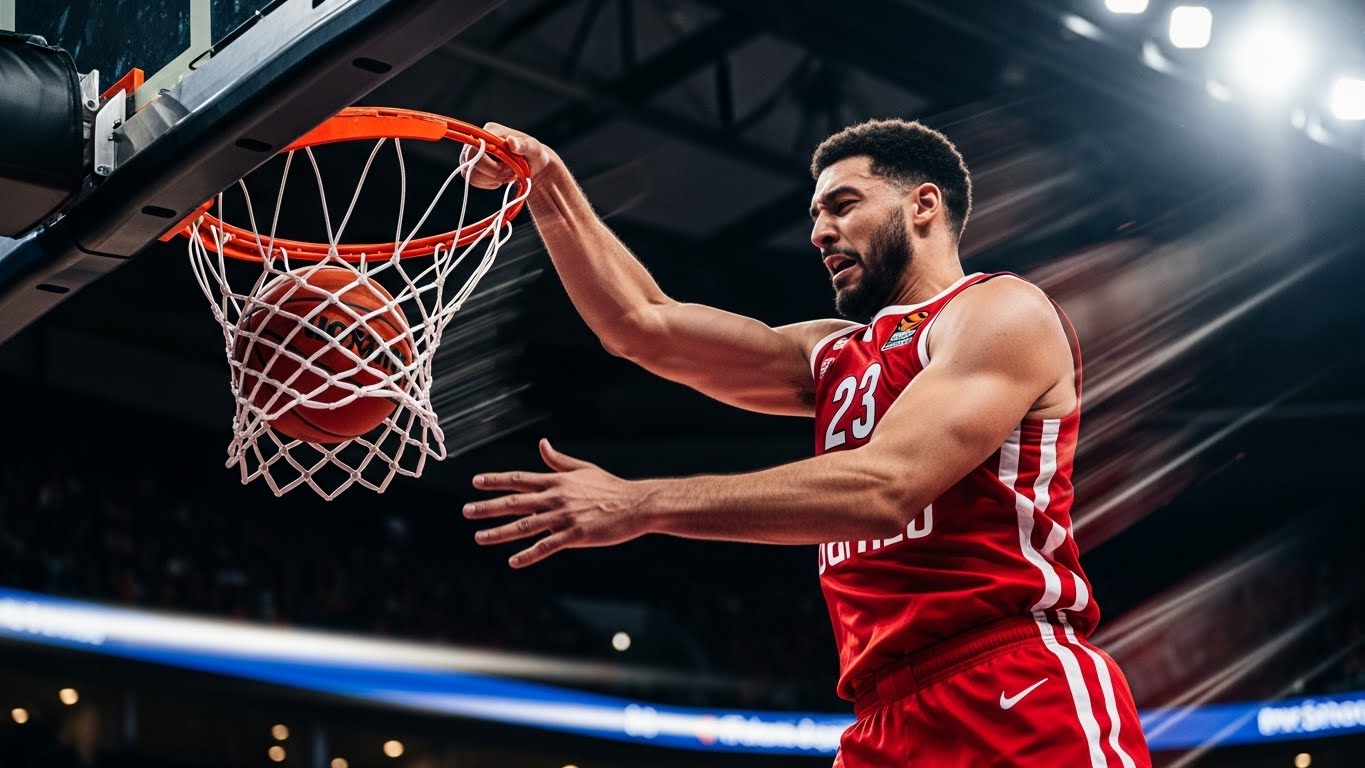

Athletes at the highest levels—whether in basketball, football, soccer, or any other sport—seem to possess an almost superhuman ability to push their bodies to the limit. Whether they are running faster, jumping higher, or recovering from intense training quicker, the concept of peak athletic performance has fascinated scientists and sports enthusiasts for decades. But what exactly happens behind the scenes that allows athletes to perform at such extraordinary levels?
In this blog post, we’ll delve into the science behind peak athletic performance. From muscle physiology to nutrition and mental conditioning, we’ll explore the factors that contribute to an athlete’s ability to reach—and sustain—their highest potential. Understanding these key elements will not only shed light on the science of sport but also provide valuable insights for anyone looking to improve their own athletic capabilities.
1. The Role of Muscle Physiology: How Muscles Work in High Performance
At the heart of peak athletic performance lies muscle physiology. Every movement an athlete makes, whether it’s sprinting, lifting, or changing direction quickly, involves complex interactions between the muscles and the nervous system. Understanding the science behind muscle function is essential for improving performance.
Muscle Fiber Types: Fast-Twitch vs. Slow-Twitch
Muscles are composed of different types of fibers that are responsible for various kinds of movement. The two most important types are fast-twitch fibers and slow-twitch fibers.
- Fast-Twitch Fibers: These fibers are designed for short bursts of explosive energy, like sprinting or weightlifting. They fatigue more quickly but provide high power output.
- Slow-Twitch Fibers: These fibers are more endurance-oriented and are used in long-duration activities like distance running or cycling. They fatigue slowly but generate less force compared to fast-twitch fibers.
Athletes who excel in explosive sports—such as sprinters or football players—tend to have a higher percentage of fast-twitch fibers in their muscles, while endurance athletes—like marathon runners—tend to have more slow-twitch fibers. The ability to train and optimize the performance of these fibers is key to achieving peak athletic performance.
The Importance of Muscle Recovery
Training hard is essential, but recovery is just as important. When muscles are stressed during intense activity, they experience tiny tears. These tears then need time to heal, and during the recovery process, muscles grow stronger and more resilient. Without proper recovery, muscles won’t be able to rebuild effectively, limiting performance gains.
- Active Recovery: Active recovery techniques, such as light jogging or swimming, help maintain blood flow to muscles without over-stressing them. This speeds up the removal of waste products like lactic acid and facilitates muscle repair.
- Sleep: Sleep is crucial for muscle repair. During deep sleep, growth hormone levels peak, promoting tissue repair and muscle growth. This is why athletes often prioritize quality sleep in their training routines.
2. Nutrition: Fueling the Body for Maximum Output
Fueling the body with the right nutrients is a cornerstone of peak performance. An athlete’s diet not only provides the energy required for intense physical activity but also supports muscle recovery and overall health.
Macronutrients: The Big Three
The three main macronutrients—carbohydrates, proteins, and fats—are essential for fueling the body during training and competition.
- Carbohydrates: Carbs are the body’s primary source of energy. They are stored in muscles as glycogen and are used during intense physical activity. Endurance athletes, in particular, rely heavily on carbohydrates to sustain energy levels during prolonged events.
- Proteins: Proteins are essential for muscle repair and growth. After intense workouts, the body requires protein to rebuild muscle fibers and promote hypertrophy (muscle growth). Protein also helps in the synthesis of enzymes and hormones that regulate performance.
- Fats: While fats are not the immediate source of energy during intense workouts, they are crucial for long-term energy needs. Fats also play a role in hormone production, which is essential for muscle growth and recovery.
Micronutrients: The Unsung Heroes
While macronutrients receive most of the attention, micronutrients—such as vitamins and minerals—are just as important in athletic performance. Key nutrients like calcium, iron, magnesium, and vitamin D help maintain bone health, improve oxygen transport, and support muscle function.
- Iron: Vital for oxygen transport, iron is essential for endurance athletes. Low iron levels can lead to fatigue and decreased performance.
- Magnesium: Crucial for muscle function and recovery, magnesium helps prevent cramps and muscle soreness.
Hydration: The Key to Optimal Performance
Dehydration is one of the most overlooked factors in sports performance. Water makes up a large portion of muscle tissue, and staying hydrated is crucial for maintaining strength, endurance, and focus.
- Electrolytes: Along with water, athletes need to replenish electrolytes like sodium, potassium, and magnesium, especially during prolonged physical activity. These electrolytes help maintain fluid balance, nerve function, and muscle contraction.
3. Training Techniques: Maximizing Strength and Endurance
The way athletes train can dramatically impact their performance. Training is a science in itself, involving carefully planned periods of exertion, rest, and recovery to build strength, endurance, and agility. Understanding the principles behind effective training is essential for improving athletic performance.
Periodization: Structured Training Cycles
Periodization refers to the systematic planning of training to optimize performance at specific times, such as during competition season. It involves varying the intensity, volume, and type of exercise throughout the year to avoid plateaus and prevent overtraining.
- Macrocycle: This is the long-term training plan, typically spanning a year or more.
- Mesocycle: A smaller training phase within the macrocycle, lasting weeks or months, focused on specific goals (strength, speed, endurance, etc.).
- Microcycle: The shortest training period, typically lasting a week, which focuses on specific exercises and recovery.
By following a periodized training plan, athletes can avoid burnout and ensure they’re peaking at the right time, like during a championship game or race.
High-Intensity Interval Training (HIIT): Boosting Power and Endurance
HIIT has become a popular method for athletes to improve both strength and cardiovascular endurance. HIIT involves alternating short bursts of intense activity with periods of rest or lower-intensity exercise. It’s been shown to improve VO2 max (the maximum amount of oxygen your body can use during exercise), boost fat loss, and improve muscular endurance.
For athletes, this type of training is particularly beneficial because it mimics the stop-and-go nature of many sports, including basketball, soccer, and football.
4. Mental Conditioning: The Mind-Body Connection
While physical preparation is essential, the mental side of athletic performance is just as important. The mind and body are intricately connected, and an athlete’s mental state can impact their performance as much as their physical state.
Visualization and Mental Rehearsal
Professional athletes often use mental rehearsal techniques to “practice” their performance in their minds. Visualization involves imagining yourself succeeding in different game scenarios, such as making the game-winning shot or executing the perfect pass. By doing this, athletes can build confidence, reduce anxiety, and improve focus.
- Neuroplasticity: Visualization works by harnessing neuroplasticity—the brain’s ability to form new neural connections. This process allows athletes to “train” their minds to react quickly and efficiently during actual gameplay.
Focus and Concentration: Blocking Out Distractions
At the highest levels, concentration and focus can make the difference between winning and losing. Top athletes train themselves to stay focused on the present moment and avoid distractions, even in high-pressure situations. Techniques like mindfulness meditation, deep breathing, and positive self-talk can help athletes maintain their focus during competition.
- Flow State: Many athletes strive to reach a “flow state,” a mental zone where they perform effortlessly and with maximum concentration. Achieving this state requires a combination of skill, confidence, and mental relaxation.
5. Recovery: The Hidden Key to Long-Term Performance
The importance of recovery cannot be overstated when it comes to maintaining peak performance over time. Professional athletes train hard, but they also dedicate a significant amount of time to rest and recovery.
Active Rest and Recovery Methods
- Stretching and Mobility Work: Regular stretching, foam rolling, and mobility exercises help maintain flexibility and reduce muscle tightness.
- Cryotherapy and Hot/Cold Therapy: Some athletes use ice baths or contrast showers to reduce inflammation and speed up recovery.
- Massage and Physiotherapy: Regular massages and physiotherapy treatments can help prevent injuries, improve circulation, and aid in muscle recovery.
Conclusion: The Holistic Approach to Peak Performance
Peak athletic performance isn’t just about raw talent—it’s the result of a careful balance of physical training, mental conditioning, nutrition, and recovery. By understanding the science behind muscle physiology, proper fueling, smart training techniques, and mental focus, athletes can unlock their full potential and perform at their very best.
Whether you’re an elite professional or someone simply looking to improve your fitness, applying these principles to your routine can help you reach your goals. The road to peak performance is long and requires dedication, but with the right approach, anyone can achieve their best.